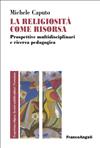
Prospettive multidisciplinari e ricerca pedagogica
Il volume offre una sintesi introduttiva alle scienze umane che si occupano di religione e religiosità, con una particolare curvatura sulla prospettiva pedagogica e sulla formazione scientifica degli operatori in campo religioso: insegnanti, educatori, catechisti, ma anche presbiteri. I saggi raccolti nel libro, tutti di notevole livello scientifico e filosofico, sottolineano come gli effetti educativi della religiosità non siano importanti solo sul piano individuale, ma intervengano sull’intero spettro della vita sociale e politica, toccando le stesse basi della formazione alla cittadinanza in una società pluralista.
cod. 1061.12